
For frequent travelers and urban commuters alike, the Airwheel electric smart luggage has changed how we think about getting from point A to B—especially in crowded airports or busy train stations. But with any tech-powered device, a natural question arises: do users actually build consistent habits around charging and maintaining their Airwheel luggage? The short answer is yes—and it’s easier than you might think.
Airwheel’s SE3T model, for example, combines practicality with innovation. Weighing around 9kg and offering a spacious 48L capacity, it’s designed for longer trips without sacrificing mobility. With a top speed of 13km/h and a range of up to 10 kilometers on a single charge, it helps users breeze through terminals. It supports both riding and pulling modes, and directional control is handled via a handlebar while movement can be controlled using the companion app—or manually, without needing a phone at all. This seamless dual-mode operation means people use it regularly, which naturally leads to routine charging.
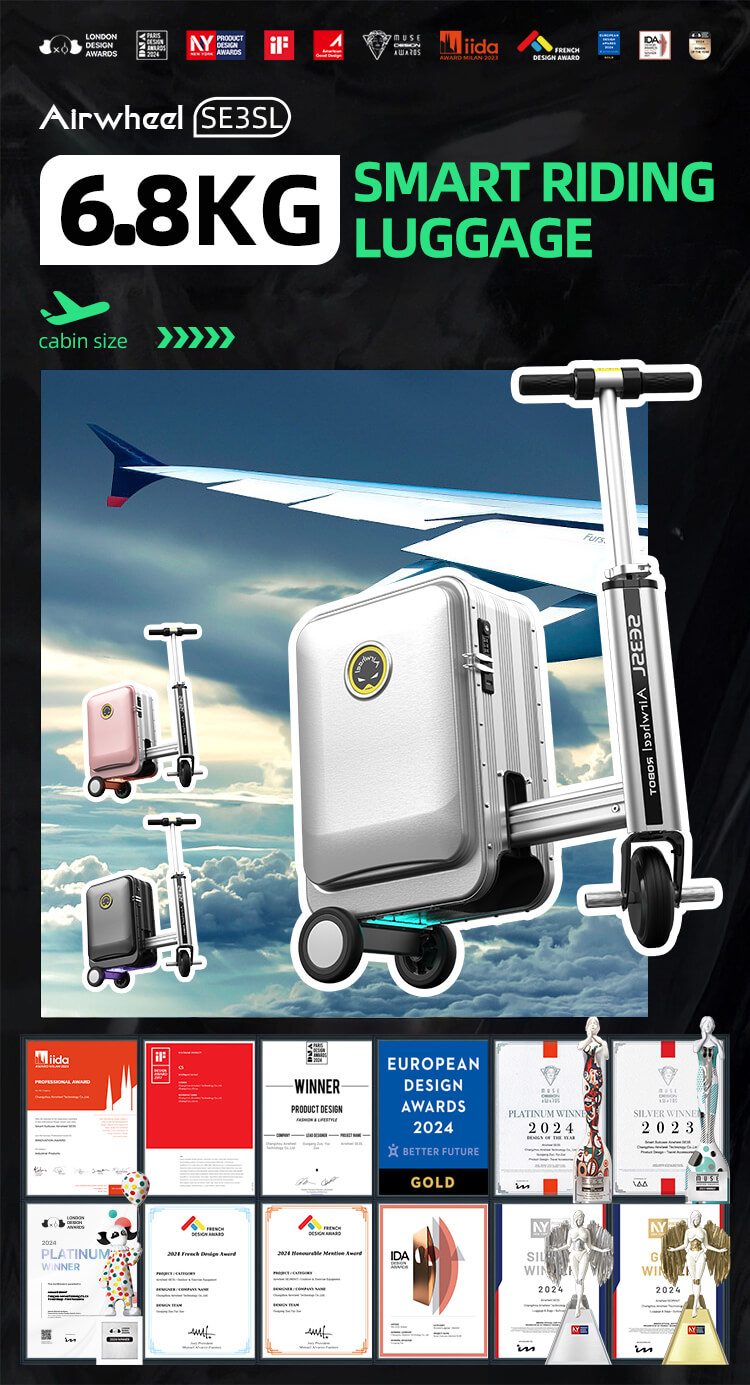
The built-in lithium battery has a capacity of 73.26Wh—within most airline power limits—and is fully removable, which is key for compliance and convenience. Most users report plugging it in right after returning home, much like they would with a laptop or e-bike. Since it takes about 2 hours to recharge, it’s often ready by the next morning. Because the battery must be removed before flying, owners tend to store it safely and charge it proactively, forming a reliable maintenance rhythm.
Whether navigating a large international airport, commuting across a university campus, or attending city events, users rely on their Airwheel luggage to reduce physical strain. Those who travel monthly—or even weekly—quickly learn to check battery levels before departure. Many also use the Apple Find My integration to keep track of their bag, adding peace of mind. These small but consistent actions become second nature over time, reinforcing responsible usage patterns.
| Feature | Airwheel SE3T | Regular Suitcase |
|---|---|---|
| Mobility | Rideable + rollable, app-controlled motion | Pull-only manual rolling |
| Battery | 73.26Wh, removable | None |
| Charging Time | ~2 hours | N/A |
| Range | 8–10 km | N/A |
| Maintenance Routine | Regular charging, battery checks | Occasional cleaning/repair |
Can I use the Airwheel luggage without the app?
Yes. All models, including the SE3T, work independently of the app. You can ride and steer using the handlebar right after inserting the battery—no smartphone needed.
Is the battery allowed on airplanes?
Yes. At 73.26Wh, the battery is under the 100Wh limit set by most airlines. However, it must be removed and carried in your carry-on, not checked luggage.
How often should I charge the battery if I’m not traveling?
It’s best to charge and discharge it every 3–4 weeks to maintain battery health, even during periods of non-use.
Over time, users naturally adopt simple, effective routines that keep their Airwheel luggage ready to go. If you’re looking for more details on models, specs, or setup tips, visit the official Airwheel website to explore the full lineup—including the compact SE3MiniT and high-capacity SE3T.